CHENYUAN / LOGO PONCHO PROCUREMENT
Rain Poncho with Logo
A rain poncho with logo starts with a garment choice and an artwork layout. Chenyuan accepts custom logo requests for poncho models including CY083 and CY118. Choose the shape you need, then specify the design you want us to review for your order.
Discuss your logo poncho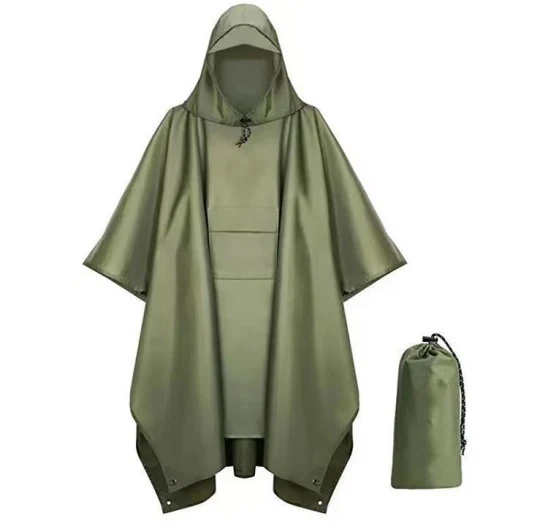
Choose the poncho before the logo
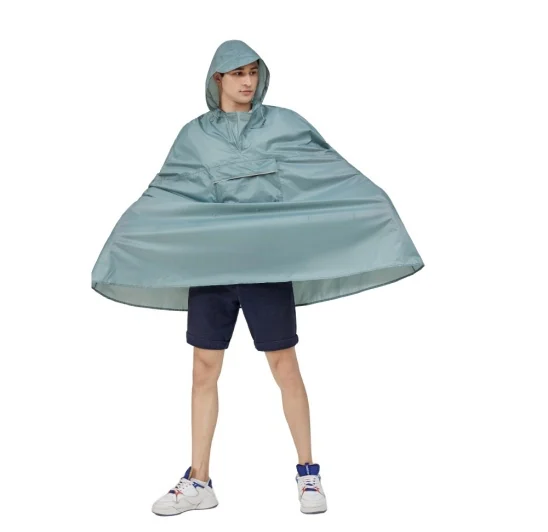
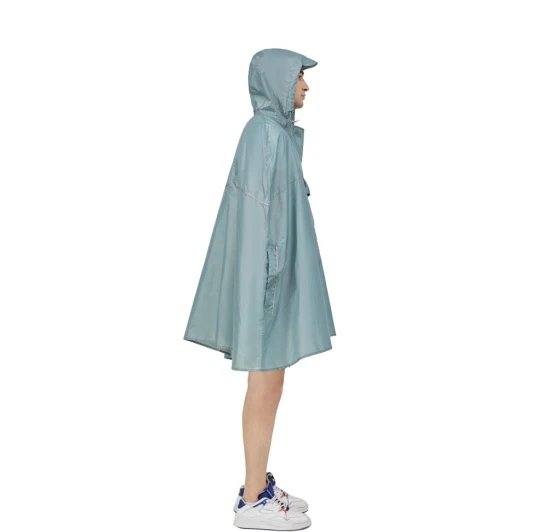
You may already have the logo ready. The garment can take a little more thought: its outline, width and openings all belong in the choice. Our rain poncho selection gives you the shapes to compare before you settle on the position of a print.
CY083 and CY118 both list polyester/PU material and accept customized logos. There are different garment references behind those names. The CY083 product information describes an adult poncho with custom size requests; the CY118 product information identifies a separate polyester/PU poncho model. It helps to put the model name beside the photograph you're using, especially when several people are discussing the artwork.
A simple measurement sketch is useful at this point. You can mark the width and outline you want and describe the clothes to be worn underneath. Then, when a sample is reviewed, there is something more specific to compare than a size letter. The logo discussion can refer to that same garment version.
Put the logo position and size in writing
“Large logo on the back” leaves quite a lot open. It says little about the proportions of the design or its distance from the neckline, and the person reading it may picture the poncho laid flat while you are picturing someone wearing it. A marked front or back view, with the design width and height written alongside, gives the request a clearer starting point.
For a front mark, specify the wearer's left or right side. Put the units next to the measurements. Text needs the same attention as the picture: exact wording, punctuation and line breaks, including whether the wording sits inside the artwork or has a position of its own.
The garment color and the artwork colors belong in separate entries. If matching matters to your program, a color reference can accompany each entry. Screen images are useful during the conversation; the selected physical sample is what you can review together. Proposed dimensions and positions still need to be considered for that poncho.
Review an artwork layout with the selected garment
Artwork files can become difficult to follow when a team has been revising the same design. Give each version a clear name and identify the one you want considered. Where the logo changes with the garment color, supply the corresponding artwork and say which combination each file belongs to. Don't leave that relationship buried in an old email.
A copy of the design placed on a garment photograph or drawing shows the intended layout. Label it as a request and write the dimensions separately. That way, someone resizing the image to view it can still read the size you meant, rather than measuring a picture that has changed scale.
Before the layout is used for a sample, ask the person responsible for your brand to check the lettering, orientation and file version. The artwork should be yours to reproduce. Separate groups may need separate marks even on the same garment color; each of those combinations needs its own entry in the brief.
Check a sample against the buying brief
Bring the garment, layout drawing and current artwork file together for the sample review. Start with what you can see: the mark, its orientation and where it sits. You can measure the sample artwork against the requested dimensions and write any correction beside the relevant figure. “Too small” is hard to act on without that reference.
It is worth looking at the poncho laid out and worn as intended. A hood, opening or fold may cover part of the design you wanted to show. Note what you see on that sample. If the garment shape changes during the discussion, take another look at the position on the revised shape instead of carrying over an approval from the earlier version.
How the poncho is presented may matter as well. Your brief can describe the folded arrangement, the identifying information needed on the pack and whether you want the artwork visible in that presentation. Discuss those choices alongside the garment. Accessories appearing in a photograph need their own confirmation if you want them supplied. A dated sample record gives your team a place to list the version reviewed and the changes still open.
Prepare quantities and delivery requirements
The order breakdown can be quite plain. A separate line for each change of material, measurement, garment color or artwork gives the quotation its quantity basis. Once the versions are listed, add them up and compare the total with the program you have planned.
An order worksheet might run from model reference and garment measurements through color, artwork filename and placement drawing, then quantity and packing requirements. The destination and required delivery date belong with it. A deadline for reviewing a sample is a different entry from the date you need the goods delivered; name both if both matter to the purchase.
Some choices may still be open when you ask for a quotation. Say which ones. For instance, you can name the garment colors under consideration and ask for those versions to be distinguished, while identifying the artwork file intended for each. The quoted scope, quantity basis and schedule should be reviewed before you treat them as agreed terms.
Our logo poncho inquiry form can take the completed brief. If the garment itself is undecided, the rainwear selection is a useful place to return to. A particular shape and a clearly described design give the next conversation a starting point, even with some decisions left open.